ADORN
Architecture & Interiors
Godfrey Sykes: The Decorative Visionary of Victorian Design
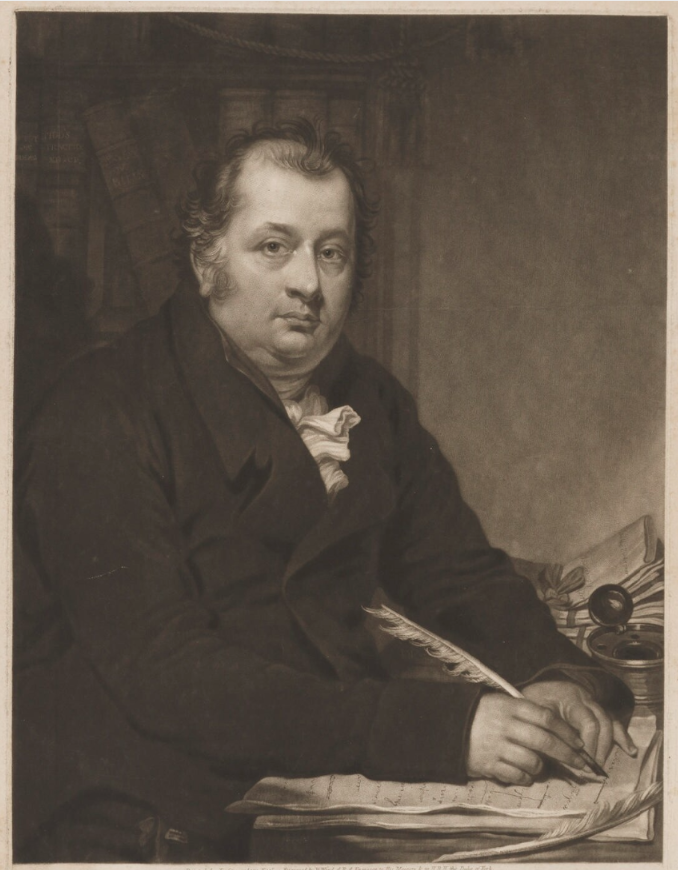
Not every gentleman who shapes a city need wear the title of architect. Some, like Mr. Godfrey Sykes, leave their legacy not in blueprints, but in friezes, scrolls, and sculpted terracotta. Though his name may not grace the pediments of South Kensington, his handiwork most certainly does.
A designer and sculptor of rare vision, Mr. Sykes helped define the visual identity of the South Kensington Museum—now known, with no small pride, as the Victoria and Albert. His Renaissance-inspired ornamentation, rendered in clay and conviction, blended classical grace with industrial ingenuity. Columns, mosaics, and decorative flourishes—each a quiet rebellion against the drabness of mass production.
But his influence did not end at the museum doors. From parlours to public halls, Sykes’s aesthetic became a blueprint for Victorian interiors, proving that beauty need not be grand to be transformative. He may not have built the buildings, dear reader, but he gave them their soul.
Terracotta Grandeur:
Sykes Decorative Vision of Victorian Architecture
My dearest readers,
If you find yourself wandering through South Kensington, do pause before the west façade of the Victoria and Albert Museum. Not for the crowds, nor the collections within—but for the terracotta columns that rise like a sonnet in clay. They are the handiwork of Mr. Godfrey Sykes, a gentleman who, though never titled architect, sculpted his legacy into the very bones of Victorian London.
Between 1855 and 1866, Mr. Sykes lent his painter’s eye and draughtsman’s precision to the newly founded South Kensington Museum, under the discerning direction of Mr. Henry Cole. It was Sykes who persuaded architect Francis Fowke to embrace terracotta—a material both practical and poetic—as the museum’s signature medium. Fireproof, finely detailed, and warmly hued, it was the perfect marriage of industrial innovation and classical beauty. A Victorian dream, baked to perfection.
His columns, rooted in the Italian Renaissance Revival, speak in the language of symmetry and scrollwork, echoing the eclectic tastes of an era that adored ornament as much as it worshipped progress. But Sykes’s influence did not end at the column’s base. His designs extended to stained glass, bronze, ironwork, majolica, mosaic, and tiled pavements—each element contributing to a museum that was not merely built, but composed.
With artisans from Minton, Hollins & Co. and collaborators like James Gamble, Sykes orchestrated a decorative scheme that would become foundational to the V&A’s identity. And though his life was cut short at the tender age of 42, his vision endured—proof that a well-placed flourish can outlast even the firmest stone.
Today, those terracotta scrolls and floral motifs remain as eloquent as ever. They are not just embellishments; they are a dialogue between past and present, a celebration of craftsmanship in an age of machines. In Mr. Sykes’s hands, architecture became a kind of storytelling—rooted in history, animated by innovation, and always reaching toward beauty.
Yours in observation and adornment,
Lady Westmacott
Leave a Reply